Niujiao Chemical specializes in supplying a variety of chemical products, focusing on the research and development, production and trade of various chemical raw materials and products, relying on superior product quality exported to more than countries and regions.The product series mainly includes rubber accelerators, rubber antioxidants, rubber curing agents, water treatment additives, carbon black environment-friendly gold extraction agents and other categories.
Broad Market
The Our products are exported to more than 100 countries and regions such as the United States, the United Kingdom, France, Japan, Russia, South America, Southeast Asia and Africa.
Custom Service
We understand that each customer may have unique requirements. We have the flexibility to customize our rubber additives to meet specific formulation needs, ensuring optimal compatibility and performance in various rubber applications.
High-Quality Manufacturing
Our manufacturing facilities employ advanced technologies and adhere to stringent quality control measures. We prioritize quality in every step of the production process, ensuring consistent and high-performance rubber additives that meet international standards.
Wide Range of Applications
Our products are widely used is widely used in rubber, leather, cable, plastic, pharmaceutical, water treatment and other industries.
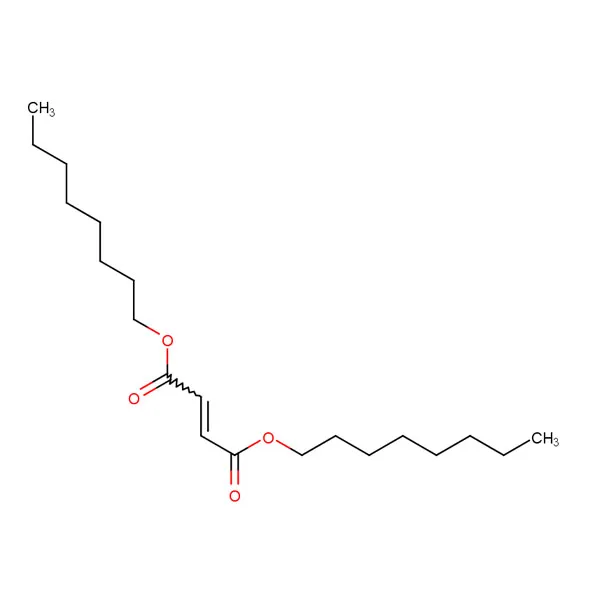
Phthalates: These are the most commonly used plasticizers, primarily employed to impart flexibility to polyvinyl chloride (PVC) products. Phthalates are esters of phthalic acid and are divided into high and low molecular weight categories.
Terephthalates: Isomeric with ortho-phthalates, terephthalates like bis(2-ethylhexyl) terephthalate (DEHT) are used as alternative plasticizers, especially when cleaner toxicological profiles are desired. DEHT, for instance, serves as a replacement for DEHP and DINP in various applications.
Trimellitates: These plasticizers, such as tris(2-ethylhexyl) trimellitate (TEHTM), are known for their high-temperature stability and low volatility. They are commonly utilized in demanding applications like wire and cable insulation.
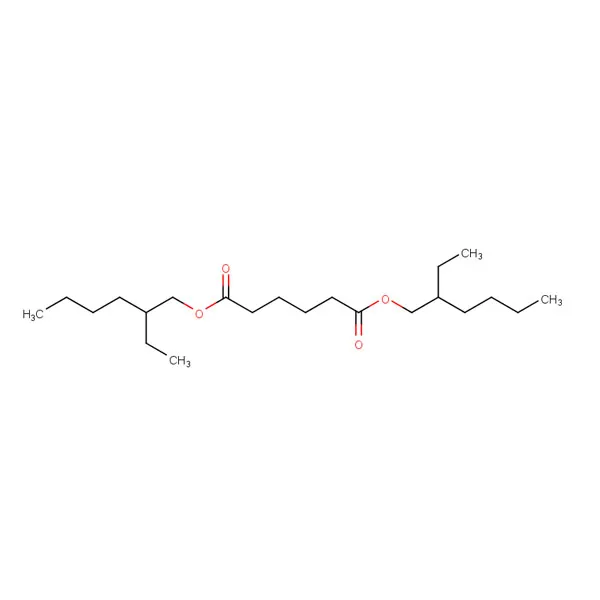
Adipates and Sebacates: Adipate plasticizers, such as di(2-ethylhexyl) adipate (DEHA), and sebacate plasticizers are recognized for providing flexibility at low temperatures. They are often employed in applications requiring such properties.


Organophosphates: These multifunctional plasticizers not only enhance flexibility but also impart flame resistance to materials. Compounds like cresyl diphenyl phosphate are examples of organophosphate plasticizers.
Benzoates: Benzoate plasticizers, such as benzoate esters, are utilized in various applications to enhance flexibility.
Citrates (TOC, ATBC, and ATOC, etc): Derived from citric acid, citrate plasticizers are often used in applications requiring non-toxic and biodegradable additives, such as in food packaging and medical products.
Bio-based Plasticizers: Sourced from renewable materials like vegetable oils, these plasticizers offer a more sustainable alternative to traditional options. They are gaining popularity due to environmental considerations.
|
Appearance |
Light yellow to light amber translucent liquid |
|
Solid content |
12.5%±0.5% |
|
Viscosity |
≤70mpa.s(25℃) |
|
P H |
2.0-7.0 |
|
Ionic type |
Cation |
|
Solubility |
Dissolves in cold water |
|
Specimen |
Free samples, samples are 500ml, special requirements can be discussed in detail, the buyer needs to bear the freight |
How Do Plasticizers Work
Integration into the Polymer Matrix
Plasticizers are mixed with polymers during processing, embedding themselves between polymer chains.
Reduction of Intermolecular Forces
By positioning themselves between polymer chains, plasticizers weaken the intermolecular forces, such as Van der Waals forces, that hold the chains together. This reduction in intermolecular attraction allows the chains to move more freely, enhancing flexibility.
Increase in Free Volume
The presence of plasticizer molecules increases the free volume within the polymer matrix, providing more space for polymer chains to move. This added mobility contributes to the material’s flexibility and workability.
Lowering of the Glass Transition Temperature (Tg)
The glass transition temperature (Tg) is the point where a polymer changes from a rigid, glassy state to a more rubber-like state. By lowering Tg, plasticizers make polymers soft and pliable at lower temperatures.
Decreasing Crystallinity
Some polymers, like PVC, have regions of crystallinity that make them naturally rigid. Plasticizers reduce crystallinity, further enhancing flexibility and elasticity.
Reduction in Melt Viscosity
By decreasing intermolecular forces, plasticizers reduce the melt viscosity of polymers, improving their processability during manufacturing.
Enhancing Material Processability
The softened polymer becomes easier to shape, mold, and extrude, improving manufacturing efficiency. This is essential for applications like tubing, films, coatings, and insulation materials.
Maintaining Long-Term Performance
Plasticizers ensure that the polymer remains flexible throughout its lifespan.
STEP 1: Plasticizer is mixed with resin
STEP 2: Plasticizer penetrates and swells the resin particles
STEP 3: Polar groups in the PVC resin are freed from each other
STEP 4: Plasticizer polar groups interact with the polar groups on the PVC chain
STEP 5: PVC structure is re-established upon cooling with full retention of plasticizer

Common Applications Of Plasticizers
In construction, they improve PVC flooring, wall coverings, and roofing membranes, ensuring resilience and weather resistance.
In the automotive sector, plasticizers are used in flexible PVC for dashboards, seat covers, underbody coatings, and protective films, enhancing comfort and design.
For electrical applications, they provide flexibility and durability in cable insulation, ensuring safety and performance.
In healthcare, plasticizers are vital for flexible medical devices like IV bags, blood bags, and catheters, ensuring functionality and patient comfort.
Consumer goods such as garden hoses, shower curtains, toys, and sports equipment benefit from their flexibility and usability.
In packaging, plasticizers are used in cling films and food-safe materials.
Additionally, plasticizers improve adhesives, sealants, artificial leather, and coated fabrics, enhancing flexibility and texture in various applications.

》This product uses 1000kg or 200kg plastic drum packaging recycling.
》Storage environment should be above 5℃, below 30℃,
》Cool and ventilated environment storage, should avoid exposure to the sun and freezing, shelf life is 3 months.